

When the Earth Spoke Our Name: Maasai Knowledge and the Care of Nature
I speak as a child of the savannah, a daughter of wide horizons and red soil.
Long before the world gave us names like indigenous, the earth already knew who we were.
It whispered our name through the wind, carried it across plains, and echoed it in the footsteps of cattle.
My grandmother would sit by the fire, her shuka glowing like sunset, and say,
“Listen carefully, child. The earth speaks. But only those who walk gently can hear her.”
And so we learned to walk gently.
We learned the seasons by the way the sky changed its color at dawn.
We learned the direction of rains by watching the flight of birds.
We learned the health of the land by the taste of its grass.
Every patch of earth had a teacher, and every day brought a lesson.
We were not masters of nature—we were students, shaped by the wisdom of our environment.
My people moved with the rhythm of life itself.
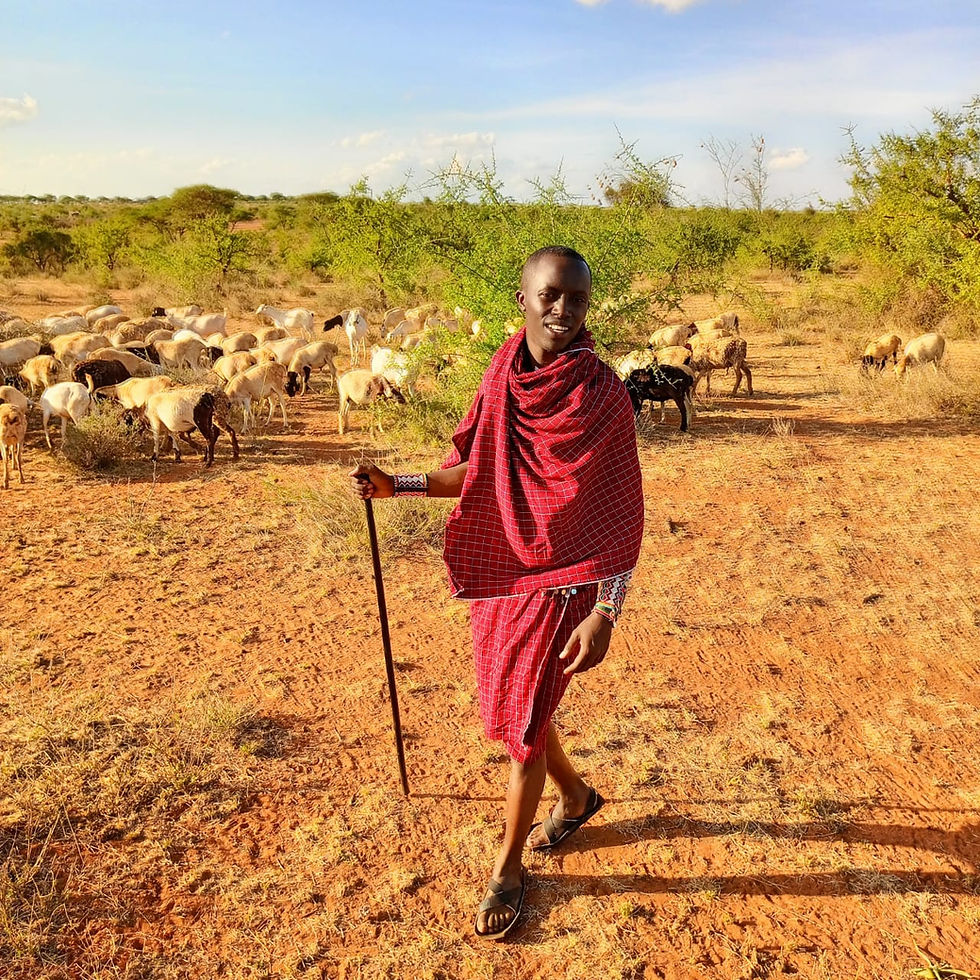
Where the rains fell, we followed.
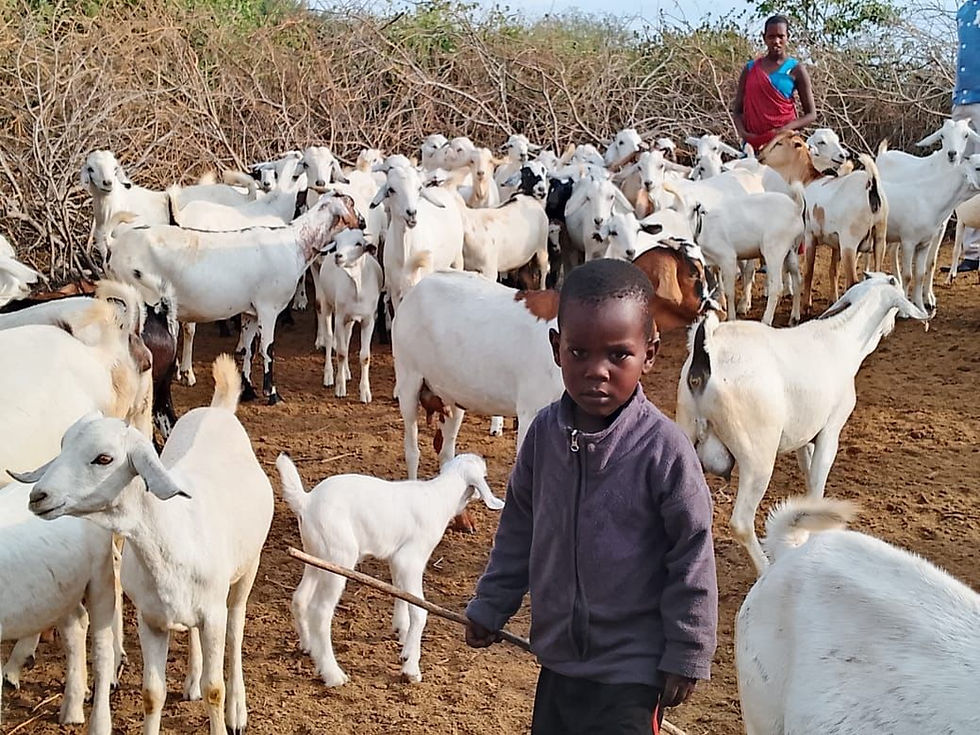
Where the grass rose, we grazed.
Where the rivers breathed, we drank.
We lived not as owners, but as companions of the land.
And the earth trusted us for that.
Our cattle grazed in circles, allowing the grass to rest and heal.
Our warriors guarded the night, not only from danger but from imbalance.
Our mothers saved seeds from the strongest plants, the small promises of tomorrow.
Our elders taught us that even a fallen branch still had a purpose.
Nothing was wasted, because everything belonged.
When droughts came, we did not cry out in anger.
We sat beneath the shade of acacia trees and asked Enkai for guidance,
not for more, but for wisdom to share what we had.
Even suffering was carried together.
But the world changed.
Fences rose where migration paths once lay open.
Machines roared where silence was once sacred.
And the earth began to grow weary.
Still,
in my heart, I hear my grandmother’s voice:
“Listen, child. The earth still speaks. She is waiting for us to answer.”
Today, we plant gardens where the soil grows thin.
We keep bees so the flowers may still dance.
We protect the seeds of our ancestors so tomorrow will not be empty.
We teach our children to walk lightly, to remember that the land is a living story.
Because the earth once spoke our name.
And we cannot forget the sound.
We remain Maasai
guardians, listeners, protectors
bound to the land not by law but by love.
And as long as we continue to hear her voice,
the earth will never be silent.


Comments