

Youth Leadership in Rural Communities
Today I’ve been thinking about the power of rural youth; a power that the world talks about, but rarely invests in.
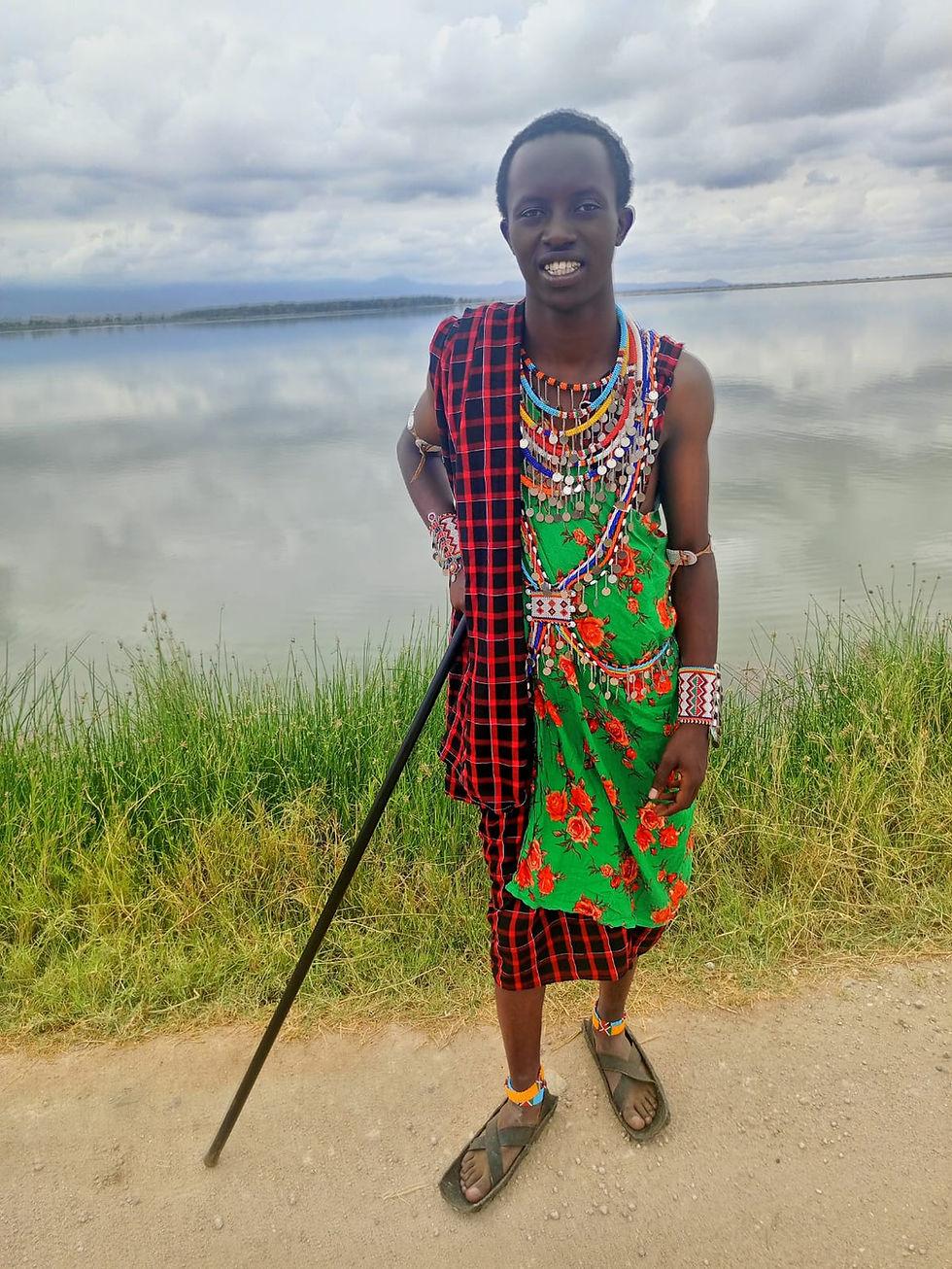
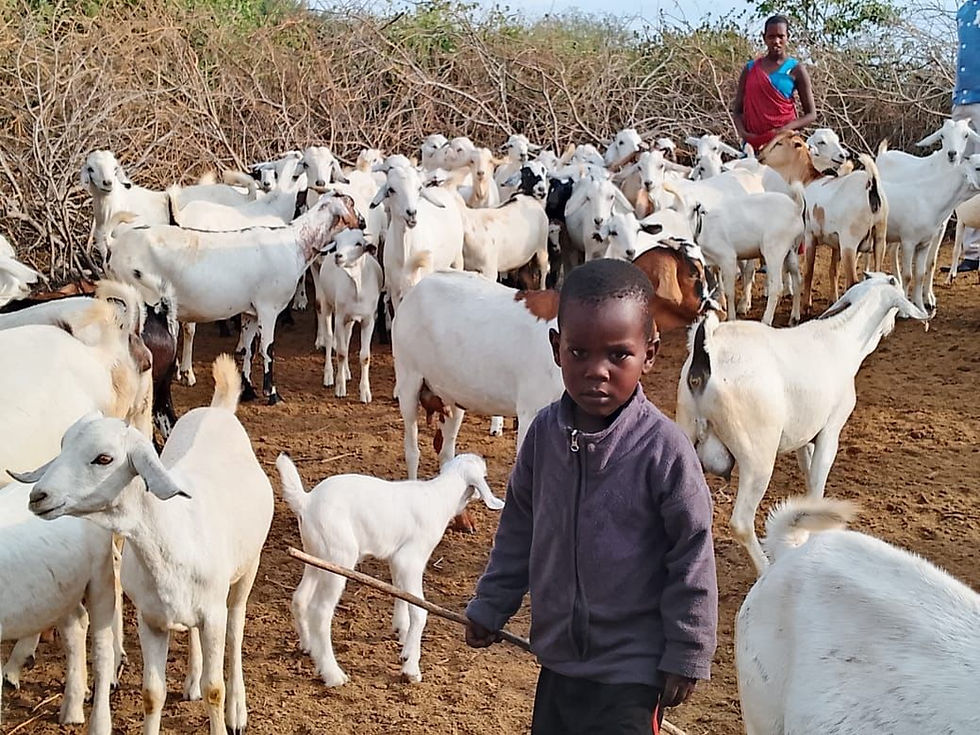
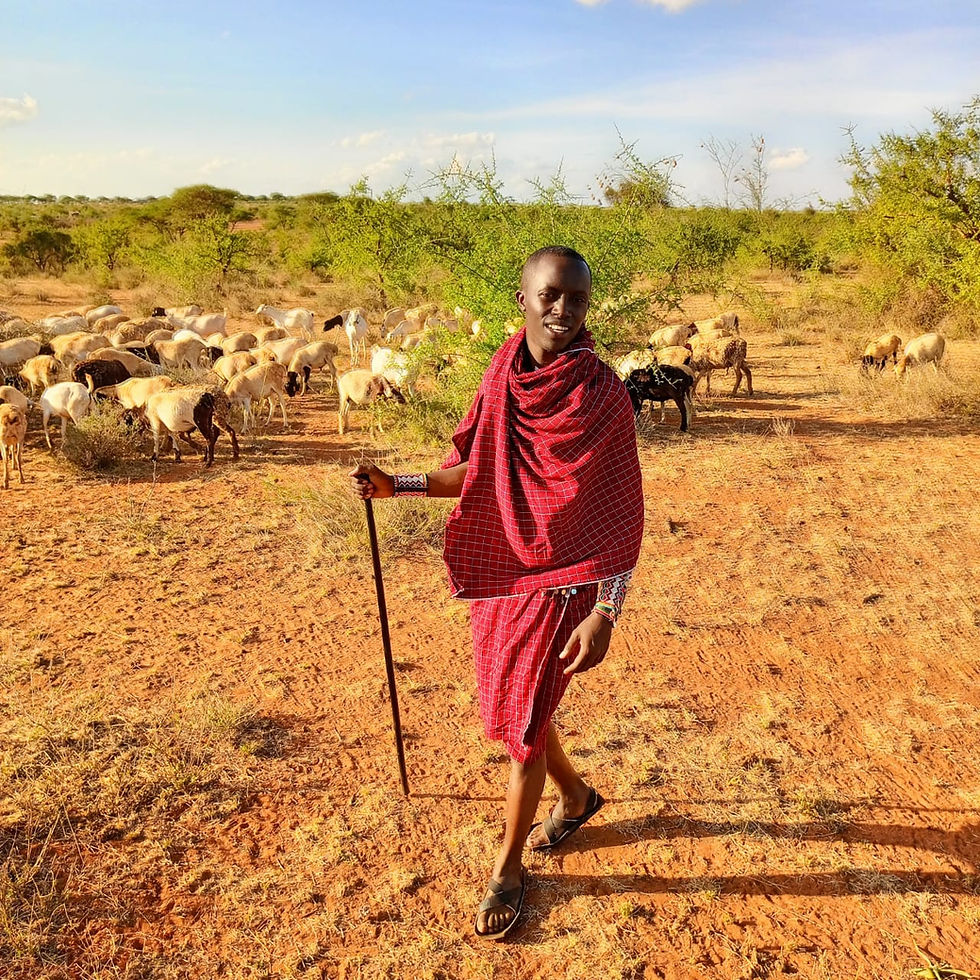
In villages like mine, young people carry deep knowledge of the land, livestock, water patterns, wildlife movement, and community dynamics. They grow up understanding climate change long before it becomes a headline. They know the struggles families face during drought, the sacrifices made to protect cattle, and the cultural values that hold our communities together.
But despite all this, rural youth are often left out of climate leadership spaces, funding opportunities, and decision-making tables. Many have the passion to lead, but not the platforms. They have ideas, but not the networks. They have solutions, but not the resources.
If the world wants true climate resilience, it must start by unlocking the leadership of rural young people. These are the youth who see climate impacts every day. They understand the urgency not from theory, but from lived experience.
My hope is to see more programs, mentorship, and direct support reaching rural communities, not just urban centres. When rural youth rise, entire ecosystems rise with them. The future of climate action depends on listening to these voices and giving them the space they deserve.

Comments