

Some rooms are so big
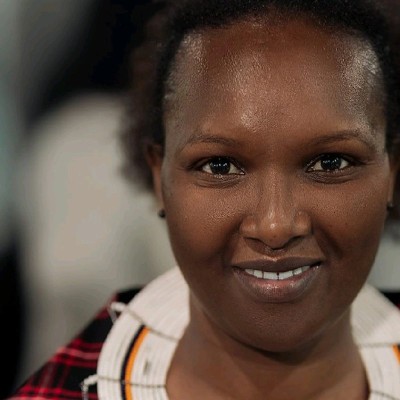
Some rooms are so big, you cannot walk into them alone...
Sometimes, it takes the collective action of people who believe in you before you fully believe in yourself. It takes friends who support your work, partners who invest in your vision, communities that stand behind you, and leaders who open doors.
When I travelled to Mongolia, I carried hope. Hope that I would find an opportunity to speak for the girls and women I serve through The Nomad Child Foundation. Hope that I would represent my people, the Maasai, with honesty and dignity. And hope that, as an Indigenous Maasai pastoralist woman, I would contribute meaningfully to conversations affecting pastoralist communities worldwide.
Mongolia became so much more than I expected.
Where My Story Begins
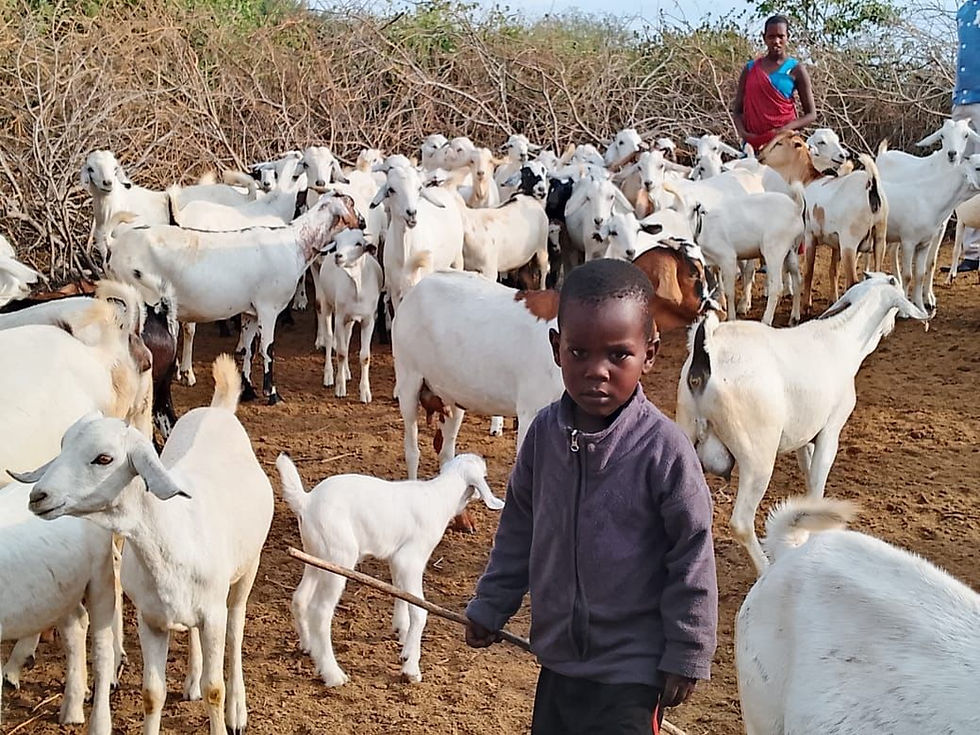
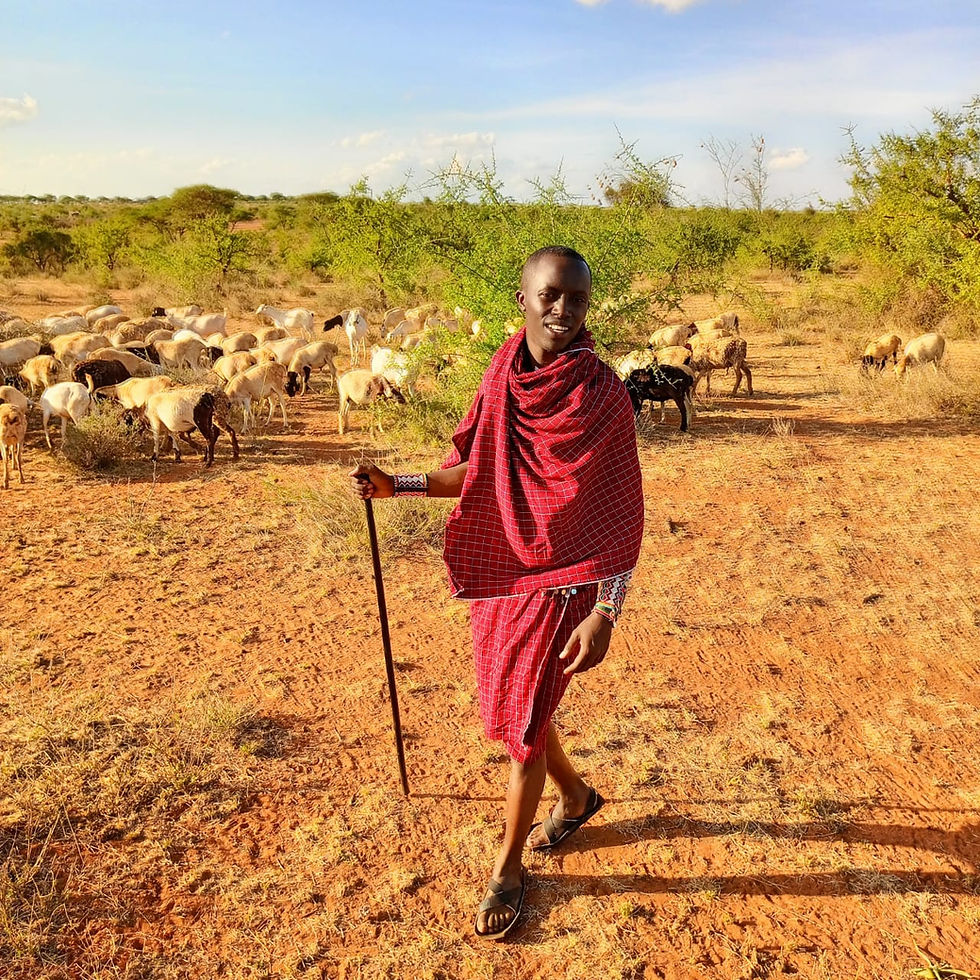
I was born and raised in Maasai Mara, Kenya. My identity is inseparable from the land, livestock, community, and way of life that shaped me. I am Indigenous. I am Maasai. I am a pastoralist woman. I carry these identities into every room I enter.
The Nomad Child Foundation (NCF) was born from the realities I witnessed growing up. I registered NCF to improve access to quality education for nomadic children, promote environmental conservation and climate action, and build awareness around population and reproductive health.
At the centre of this work has always been women and girls:
The girl whose education is interrupted by circumstances beyond her control.
The girl navigating puberty without access to basic information or products.
The young woman whose future is shaped by decisions made without her at the table.
The pastoralist woman whose knowledge sustains whole ecosystems, but whose voice remains missing from policy.

This is the work that keeps me grounded. It is also why global policy spaces matter. The people living these realities must be present in the rooms where decisions are made.
The Foundation Behind the Journey

NCF has never been a solitary effort. Support from organizations like Friends of the Maasai has helped us build mentorship spaces where girls discuss education, reproductive health, and leadership.
Before I ever stood in Mongolia speaking about Indigenous rights, I was working with girls in my community. Before I spoke about meaningful participation, I was creating spaces for young people to use their voices. The work came before the rooms. And the people who supported the work became part of the journey into those rooms.
COP29: When Another Door Opened

In 2024, friends sponsored my first-ever journey to COP29. It was a completely new world. For most of the conference, I observed. I listened. I watched. I did not speak a word. I was simply learning the language of global negotiations.
Then, during the second week, I met Hindou Oumarou Ibrahim. I remember looking at her and feeling like I had found something I had been searching for: an Indigenous woman leading in global spaces with absolute authority, without shedding an ounce of where she came from. When she shared her contact details with me, I told her the absolute truth:
“I have been looking for you my whole life.”
Hindou saw something in me that I had not yet fully seen in myself. She began nominating and proposing my name for international spaces. That act of trust changed everything - slowly, door by door.
Mongolia: Showing Up for the Moment
Two years later, I travelled to Mongolia for UNCCD COP17 and the International Year of Rangelands and Pastoralists. This time, I arrived differently. I was still learning, but I knew I had to step forward. I attended caucus meetings, volunteered, and actively contributed.
An opportunity can be given to you, but you still have to be ready when your moment comes. During COP17, I stepped into roles I had once only observed from afar:
Contributed to the drafting of the Pastoralist Women Declaration.
Worked actively within the Women’s Caucus drafting working group.
Delivered the Indigenous Peoples’ statement during the COP17 Open Dialogue.
Engaged directly through the Rangelands Working Group.
Represented Indigenous pastoralists as a featured panelist during press engagements.
At COP29, I was listening. In Mongolia, I was contributing.
Leadership That Moves With People
Mongolia taught me a profound lesson about leadership. True leadership does not simply occupy space; it creates space. It does not move ahead to leave others behind; it moves with people.
Hindou showed me that leadership is not measured by how many rooms you enter, but by how many people you bring in with you. All someone often needs is a leader to look at them and say:
“Come. You belong here.”

Finding Home Thousands of Kilometers Away
Mongolia was also deeply personal.
Stepping onto the Mongolian steppe, thousands of kilometers from the Maasai Mara, I expected differences in language, landscape, and culture. Instead, I found immediate recognition.
I recognized the relationship between people and livestock. The seasonal movement. The deep dependence on land. The resilience required to live with nature rather than against it.
Among nomadic pastoralists halfway across the world, I found pieces of home. It reaffirmed that pastoralism is not merely an economic activity - it is identity, culture, knowledge, and survival.

Carrying the Grassroots Forward
Throughout COP17, I kept thinking of the women and girls back home.
I was in those rooms to remind decision-makers that policies must reflect front-line realities; that Indigenous knowledge is living expertise; and that climate finance must reach grassroots communities.

I left Mongolia hopeful and content. Content because I had submitted my voice. Hopeful because our collective presence is shifting the narrative.
My journey to global spaces did not start in a high-level conference hall. It began in the Maasai Mara. It began with NCF, with our partners, with friends who sponsored my first flight, and with leaders who opened doors.
Some rooms are so big, you cannot enter them alone. You enter carrying an entire community behind you.
And when that door opens - walk in, speak, and bring your people with you.

Comments